The Science of Reading
The Science of Reading — What It Actually Means
Decades of brain research tell us exactly how humans learn to read. It’s not a mystery — and it’s not happening in most classrooms. Here’s what we know, and what we do about it.
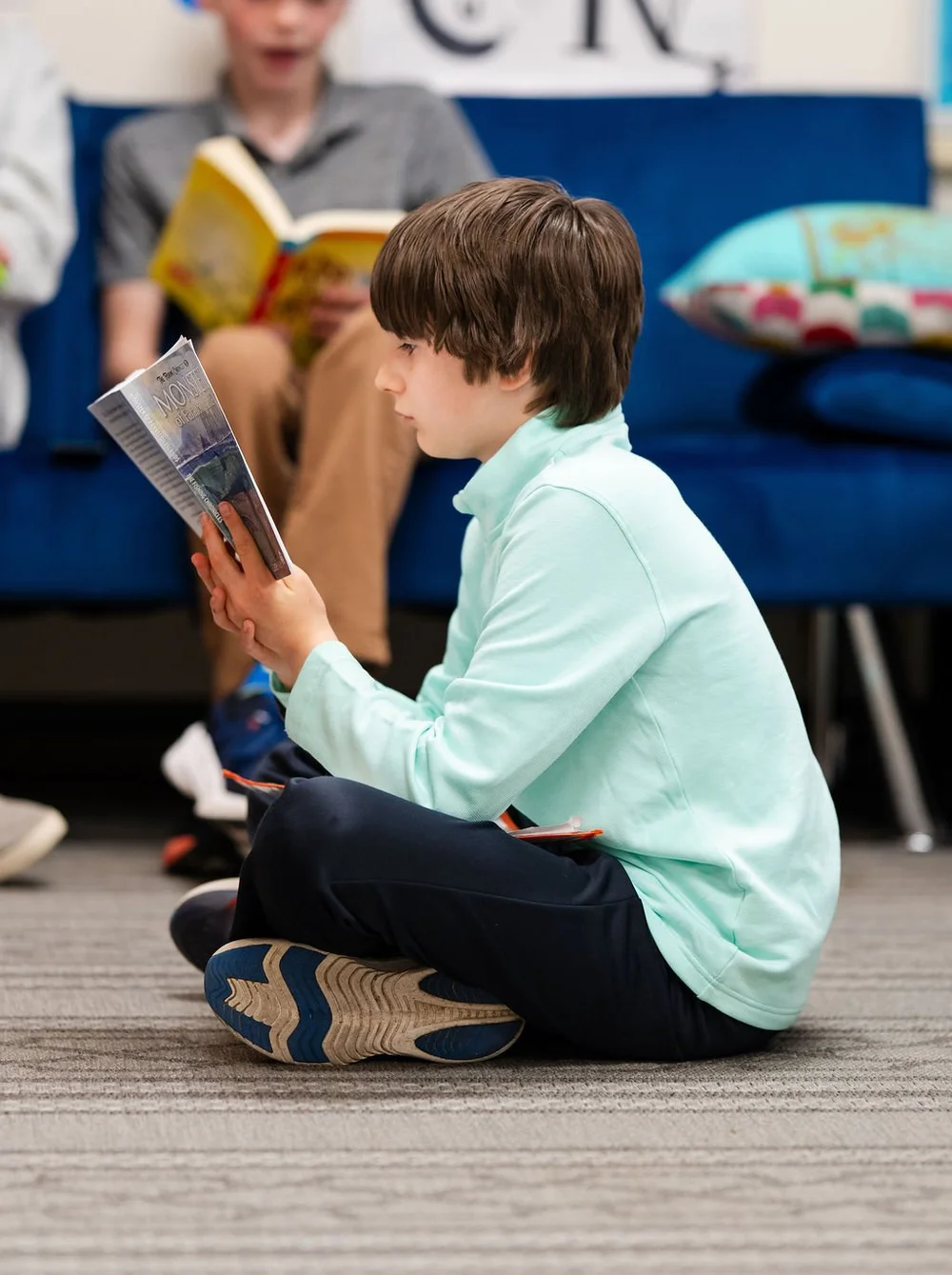
Brain Research
Scientists have studied what happens in the brains of strong readers versus struggling readers. The findings are clear — and encouraging.
Brain research shows that with proper instruction, struggling readers can build new neural pathways and become better readers. Your child’s brain is remarkably adaptable. Through the right instruction and consistent practice, students can literally rewire how their brains process reading.
Structured Literacy
This is the teaching approach built on that brain research. Instead of asking kids to guess at words or memorize them by sight, Structured Literacy teaches reading through a systematic, explicit understanding of how language actually works.
That includes phonics, spelling patterns, and word structure — taught in a deliberate sequence that builds on itself, every day.
of Wisconsin 4th graders are not reading proficiently
This number has been getting worse, not better. It’s not a teacher problem or a student problem — it’s a method problem. And it’s solvable.
Source: 2024 Wisconsin 4th Grade Reading Test Scores — The Nation’s Report Card: Public Schools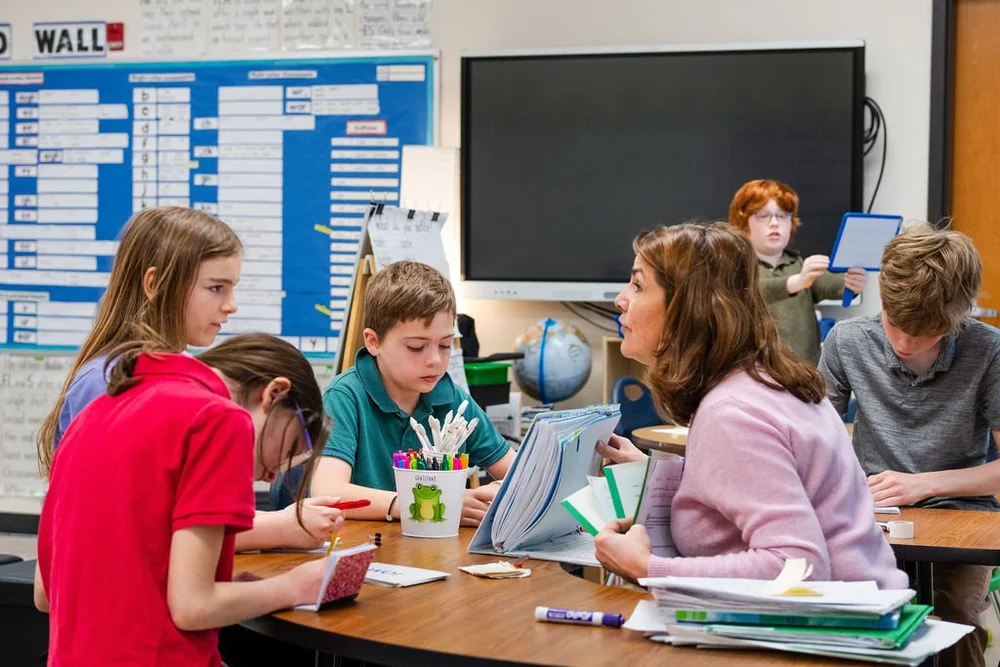
Whole Language Sounded Good. The Science Says Otherwise.
For decades, schools used an approach called “Whole Language” or “Balanced Literacy.” The idea was that if kids were surrounded by books and read to often, they’d naturally figure out reading — kind of like how they learned to talk.
The problem? That’s not how reading works.
Unlike spoken language, which humans are hardwired to learn, reading must be explicitly taught. Our brains don’t naturally connect written symbols to sounds — we have to build those pathways intentionally.
The Building Blocks We Use Every Day
The common ways English sounds are written — not just single letters, but letter combinations too.
The patterns that explain why words are spelled the way they are — so students learn to apply logic, not guess.
Daily practice with phonemic and phonological awareness — building the efficient brain pathways readers need.
Instead of memorizing thousands of individual words, students learn the patterns that unlock those words. It’s like learning the rules of music instead of memorizing every song separately.
Yes, It Takes Practice. No, It Doesn’t Have to Feel Like a Chore.
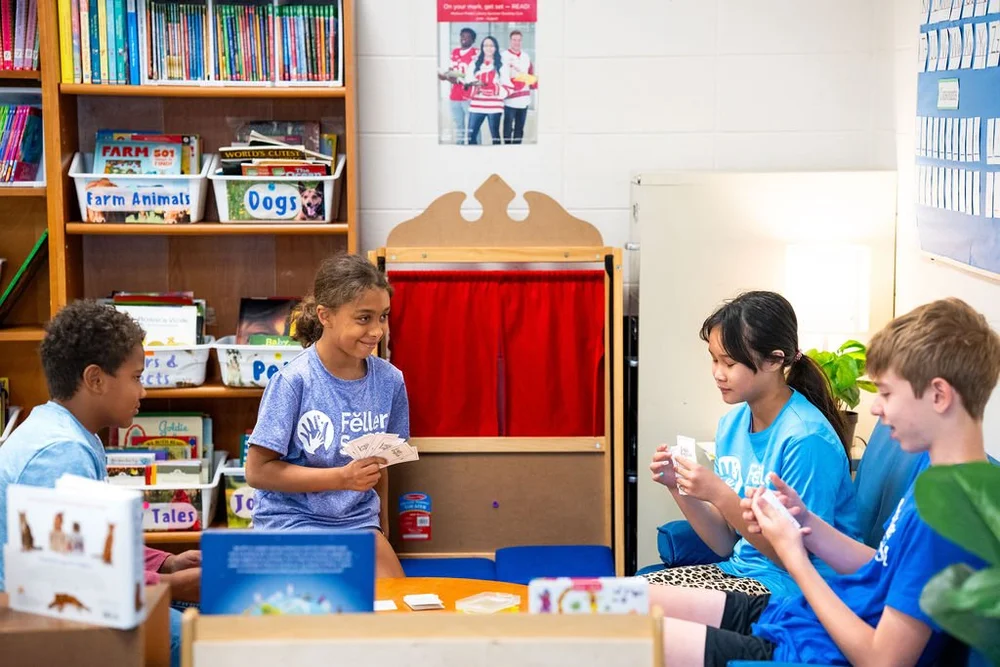
Our students play card games, board games, active games, reading games, and spelling games that make skill-building genuinely enjoyable. When kids are having fun, they practice more — and practice is what builds those efficient brain pathways.
Research backs this up: it takes approximately 400 repetitions to create a new synapse in the brain — unless it’s done through play, in which case it takes between 10 and 20 repetitions.
That’s not a small difference. That’s the difference between a child who dreads reading time and one who asks for more.
“The body of work referred to as the ‘science of reading’ is not an ideology, philosophy, political agenda, or one-size-fits-all approach. It is the emerging consensus from many related disciplines, based on literally thousands of studies, supported by hundreds of millions of research dollars, conducted across the world in many languages.”
— Dr. Louisa Moats, leading expert in reading instructionHow We Put Science Into Practice
Individual Assessment
We regularly assess each student to understand exactly where they are and what they need next. Reading instruction is complex, and every child’s path looks a little different.
Daily Practice
Language is at the heart of everything we read and write. Our students work on phonemic and phonological awareness skills every single day — building efficient brain pathways through consistent practice.
Adjusted Instruction
When a student isn’t making expected progress, we adjust our approach. The science gives us the framework — teacher observation ensures we’re meeting each child’s individual needs.
The Truth About Struggling Readers
They’re not lazy or unintelligent
Struggling readers have often been taught with methods that don’t match how their brains learn best. With systematic, explicit instruction based on the Science of Reading, they can become confident, capable readers.
Early intervention matters most
The sooner we help students build efficient reading pathways, the better their outcomes. But it’s never too late — older students can still benefit tremendously from structured literacy instruction.
Brains are malleable
That’s the scientific term for “changeable.” Your child’s brain can build new, more efficient pathways for reading — but it needs the right kind of instruction to do so. That’s exactly what we provide.
Want to See This in Action?
Come visit Feller School and watch the Science of Reading come to life in our classrooms. Tours are free and take about 30 minutes.
Schedule a Free Tour →