Teaching Methods
Dyslexia Experts & Reading Solutions For K–6th Grade!
Meeting Each Child Where They Are
Every child who comes to Feller starts with an assessment. It’s not a diagnosis, but it helps us see where the trouble spots are—decoding, comprehension, fluency, phonological awareness. We can do this as early as kindergarten. The point is simple: find the stumbling blocks early, so we can start clearing them away.
Structured Literacy in Action
We don’t ask kids to guess at words from pictures or context. That’s the trap of Balanced Literacy. At Feller, we use Structured Literacy—explicit, systematic instruction based on the Science of Reading. It’s like finally giving kids the map and tools they need, instead of sending them to wander. As one parent put it: “My child went from frustrated to proud because now she knows how reading works.”
Individualized Attention
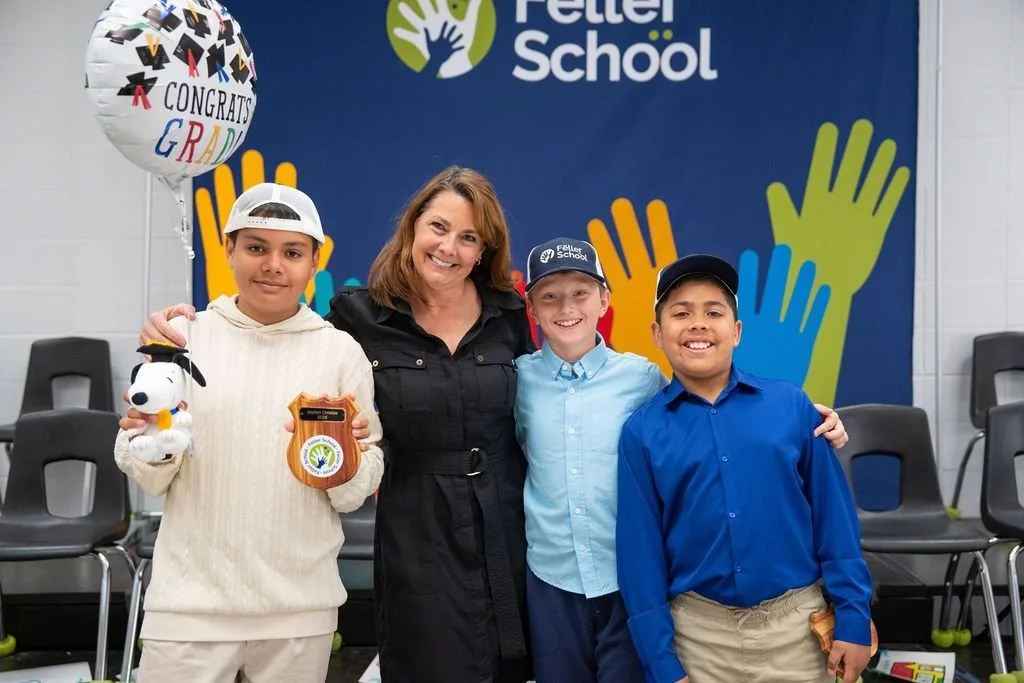
With class sizes capped at 12, we can group kids by ability, not just grade. That means your child gets:
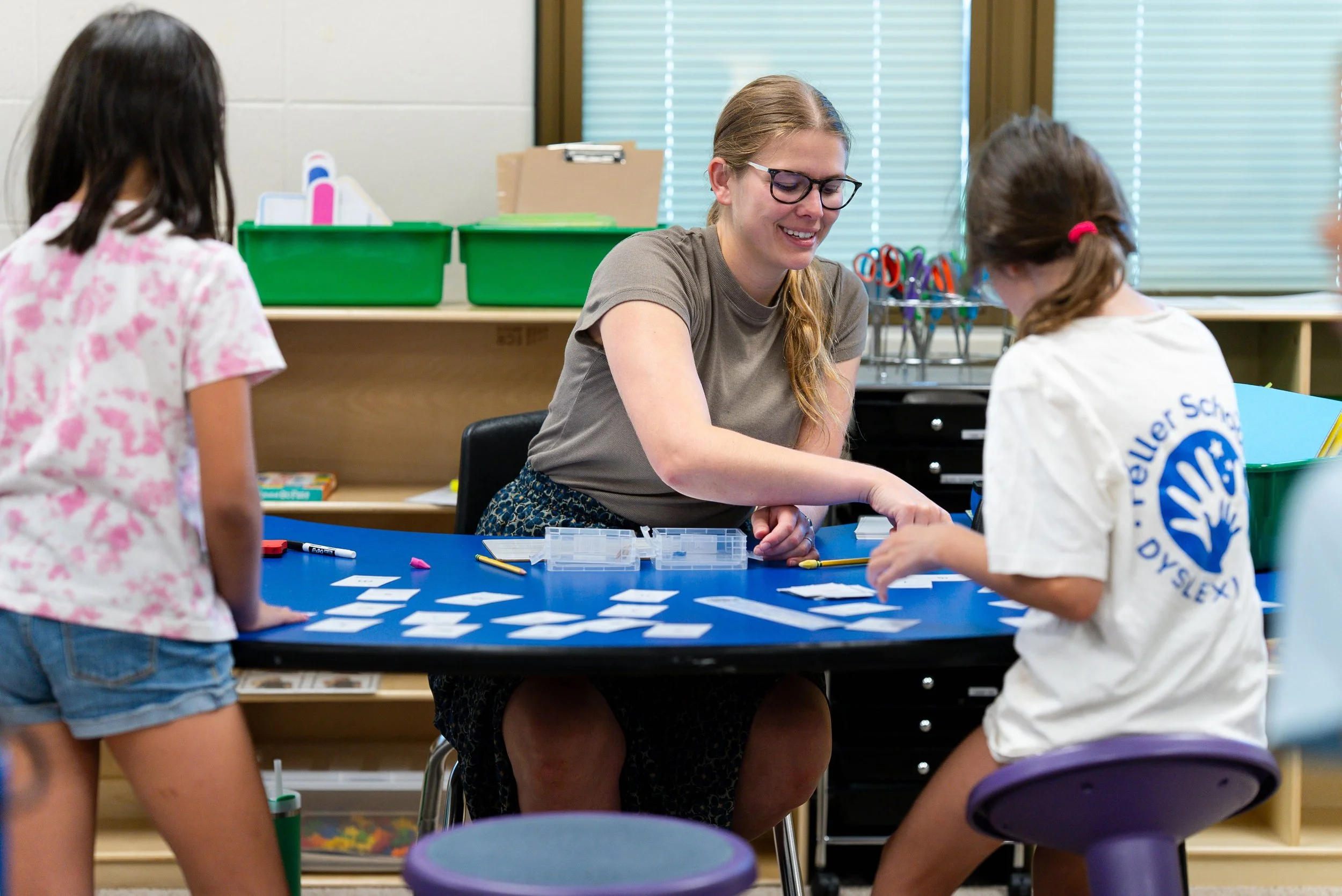
Daily one-on-one time with their teacher
Small pods for targeted practice
Teachers tracking their progress closely
Every student is known here. No one slips through the cracks.
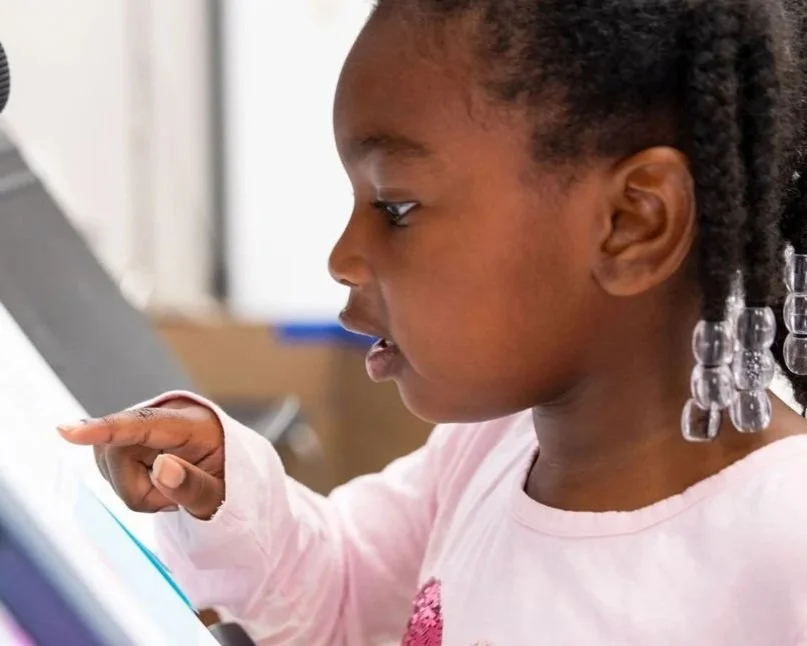
Here’s what sets our teaching apart from traditional classrooms:
Small class sizes – 12 students or fewer per room
Explicit instruction – clear, step-by-step, no guessing
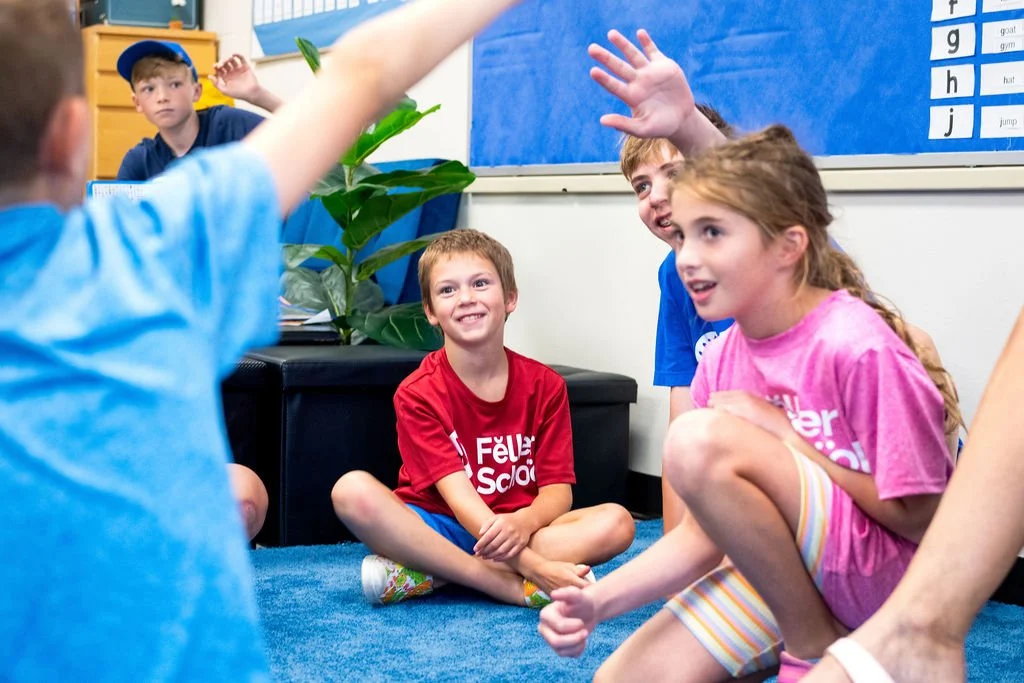
Multi-sensory learning – using sight, sound, touch, and movement (yes, even writing letters in sand)
Structure and routine – consistent schedules that help kids feel safe and ready to learn
Progress monitoring – regular checks to see how each child is moving forward
It’s not magic. It’s teaching done the right way, for the way dyslexic brains actually learn.
The Feller Formula
Making Hard Work Fun
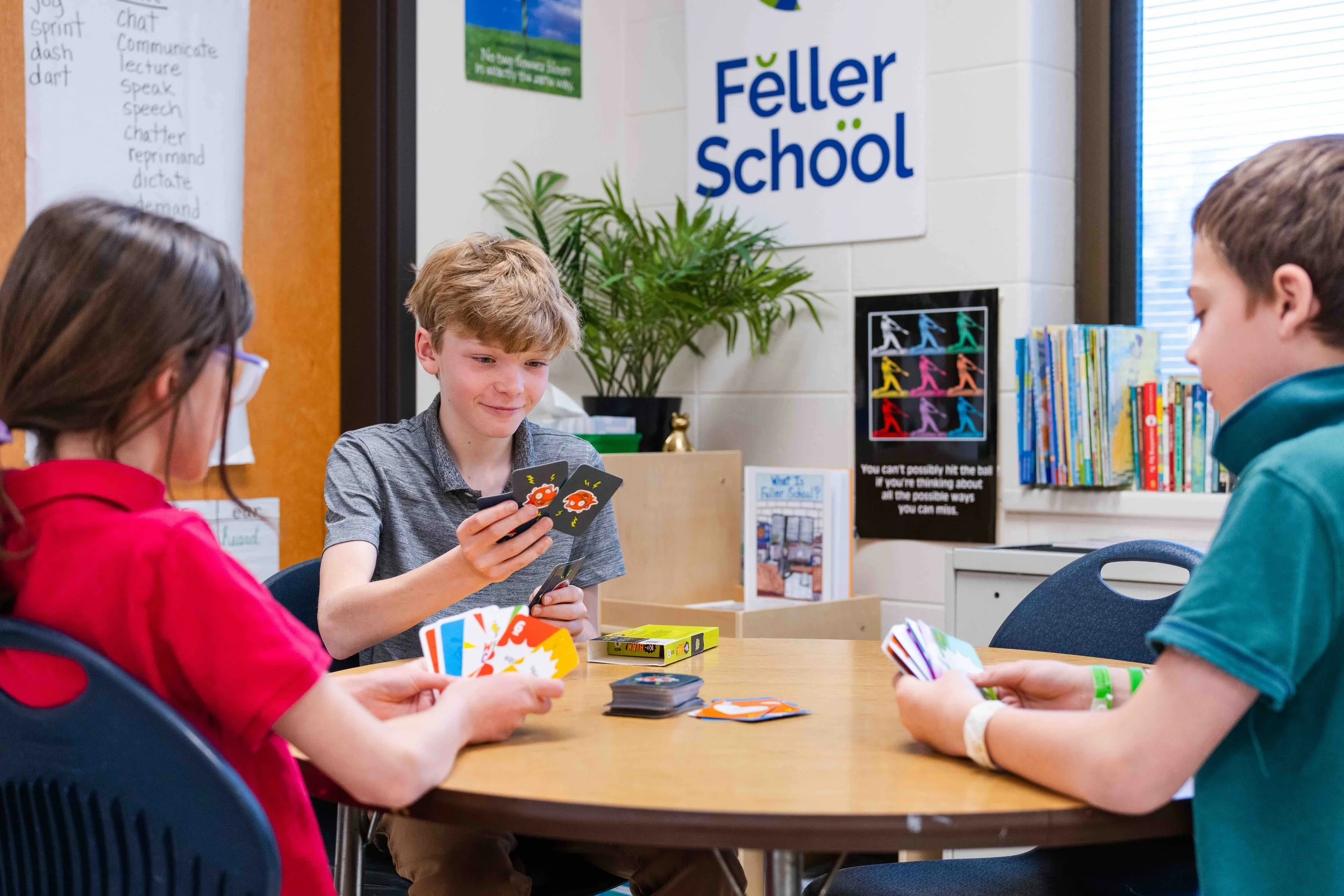
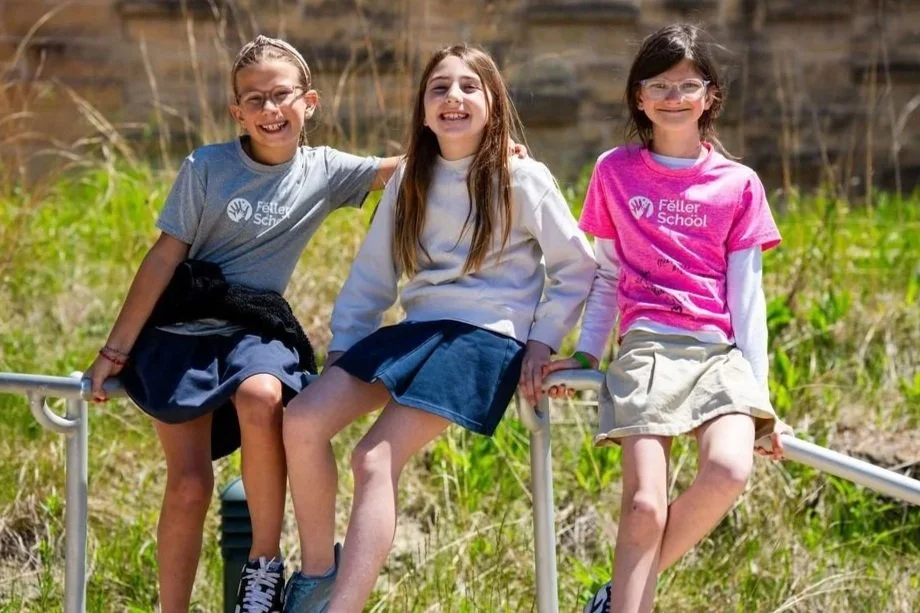
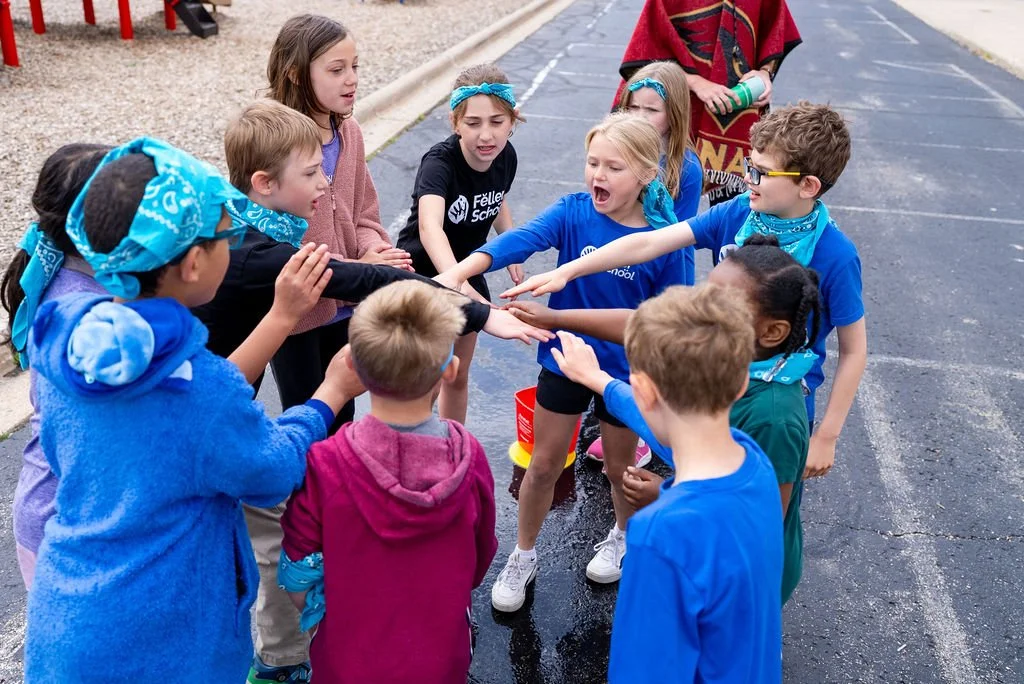
Yes, learning to read takes effort. But effort doesn’t mean misery. We keep lessons lively with games that sneak the skills into play—phonics, spelling, writing, speech, decoding. Kids laugh, compete, and cheer each other on. (You can even see some of our classroom games on our YouTube channel.)
Because when a child is smiling, they’re learning.
Why It Matters
In traditional classrooms, struggling readers often fall further behind. At Feller, they build skills and confidence at the same time. They stop dreading school and start believing in themselves.
That’s the power of teaching methods designed for kids who learn differently.