
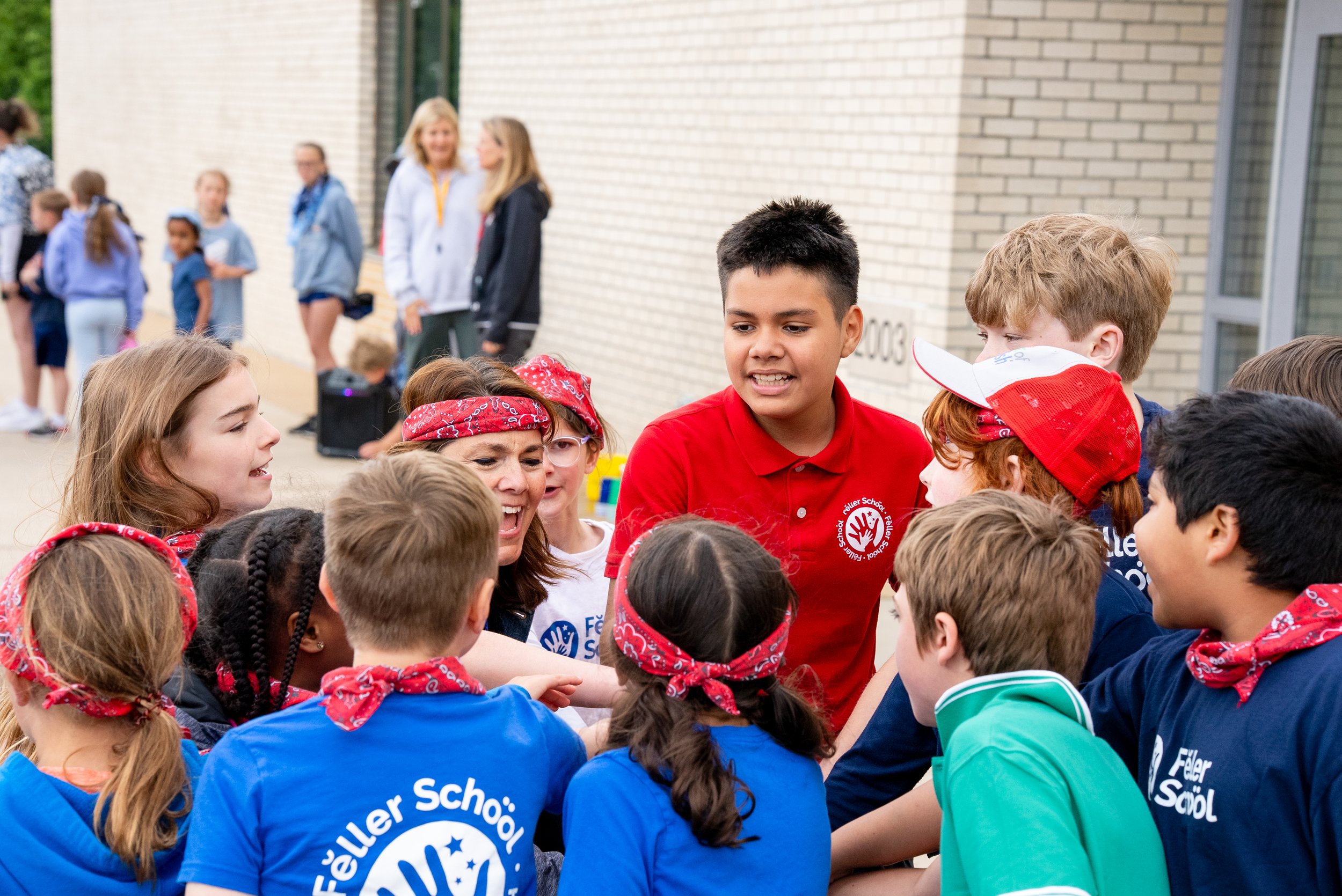
You're Not Alone
Is Your Child Struggling?
Here's What to Look For.
If reading, writing, or math feels impossibly hard for your child — even though they're clearly smart and trying — there may be a reason. These signs could point to dyslexia, dyscalculia, or dysgraphia.
You are not overreacting. You are not a bad parent. And your child is not lazy. If your gut is telling you something is wrong, this page is for you.
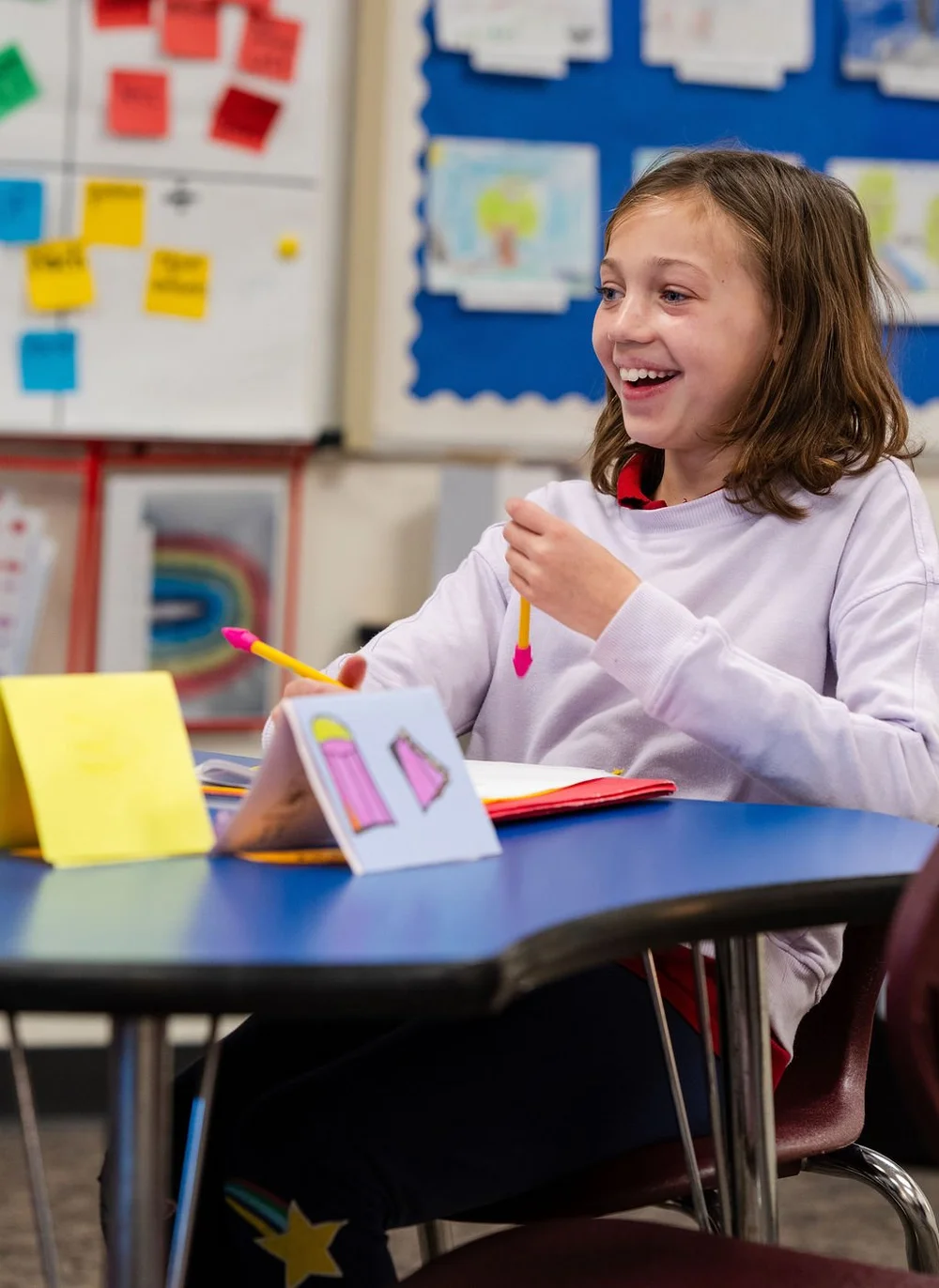
These Are the Moments That Bring Parents to Us
Every family we work with had a moment — sometimes many moments — where something just didn't add up. Their child was clearly bright. Funny. Curious. Creative. But school was a war zone every single morning.
- ✓Your child cries before school, or says they hate reading
- ✓They can tell you a story beautifully but can't write it down
- ✓They know a word one day and have no memory of it the next
- ✓Teachers say they're "not working to their potential"
- ✓Math homework takes hours and ends in tears — for everyone
- ✓Their handwriting is messy in a way that extra practice hasn't fixed
- ✓You struggled with reading or math in school yourself
- ✓They've already had tutoring but nothing is sticking

You're Not the First Parent to Walk Through This
Every family who came to Feller started exactly where you are right now — unsure, exhausted, and watching a bright kid struggle.
Select Your Child's Age
Signs of dyslexia, dyscalculia, and dysgraphia change as children develop. Click your child's age group to see what to look for.
Before School Starts — Early Warning Signs
Difficulty learning nursery rhymes or songs — can't memorize the words even with lots of repetition
Mispronounces familiar words persistently — "spaghetti" becomes "pasketti" well past the age when most kids self-correct
Doesn't notice or enjoy rhyming — while other kids delight in "cat/bat/hat," your child seems not to hear the pattern
Trouble learning the alphabet — can't reliably name or recognize letters, including the letters in their own name
Delayed speech development — vocabulary seems smaller than other kids the same age, or speech is harder to understand
Can't instantly recognize small quantities — holds up three fingers but can't tell you there are "three" without counting one by one
Skips numbers or loses track while counting — long after other kids the same age can count accurately to 10 or more
Can't tell which group has more when two groups of objects are side by side — difficulty comparing quantities
Unusual or very tight pencil grip, hand fatigues quickly when drawing or coloring — struggles with fine motor tasks that peers manage
When Reading Starts — The Gap Becomes Visible
Still guessing words from pictures instead of sounding them out — avoids decoding, relies on memorization or visual clues
Confuses similar-looking letters consistently — b and d, p and q, was and saw — not just occasionally
Learns a word one day and has completely forgotten it the next — no matter how many times you practice it together
Spells the same word differently within one piece of writing — or spells phonetically in ways that make no sense
Reads aloud haltingly, losing their place, skipping words, or reading the same line twice without realizing it
Can't remember basic addition facts even with lots of practice — still counting every number on fingers when classmates aren't
Confuses math symbols like + and − or doesn't understand what they mean — not just which answer, but what the question is asking
Handwriting is extremely difficult to read — letters are different sizes, drift off the lines, or the act of writing causes visible frustration
Mixes uppercase and lowercase letters randomly within a single word — not as a style choice, but inconsistently and unintentionally
The "Just Try Harder" Years — Why That's the Wrong Advice
Reading still far below grade level despite tutoring and extra practice — the gap isn't closing no matter how hard they try
Reads slowly and with great effort — exhausted after a short passage that classmates breeze through in minutes
Written work is sparse and simple — verbal ideas are rich, but writing them down feels like an impossible task
Avoids reading for pleasure entirely — never picks up a book, creates excuses to get out of reading assignments
Can't tell time on an analog clock, struggles with money, difficulty estimating distances or understanding how long things take
Avoids board games, card games, and activities involving counting or strategy — prefers to play alone rather than be embarrassed
Gets the same math problem wrong in different ways each time — not consistent errors, but unpredictable ones that suggest no stable understanding
Writing assignments take 3–4x longer than for classmates — not because of ideas, but because getting words on paper is physically exhausting
Skips or omits words mid-sentence — loses track of what they were writing while trying to manage the physical act of writing at the same time
When Undiagnosed Kids Start Believing the Worst About Themselves
Says things like "I'm dumb" or "I'm not a reader" — has built an identity around years of struggle before anyone identified the cause
Strong listening comprehension but poor reading comprehension — can understand a complex topic when heard, but can't extract the same info from a page
Uses simple vocabulary in writing to avoid spelling harder words — deliberately dumbs down written work
Avoids reading aloud at all costs — will fake feeling sick, leave the room, or shut down rather than read in front of anyone
Freezes when asked math questions on the spot — math anxiety has taken hold, and being called on in class triggers near-panic
Struggles with maps, charts, directions, and spatial reasoning — getting lost easily, difficulty estimating distances or reading graphs
Test scores don't reflect what they actually know — performs poorly on written tests but does much better verbally or with multiple choice
Inconsistent spelling — same word spelled differently within one paragraph, even words they've "learned" many times
School refusal, morning meltdowns, stomach aches — the emotional toll of years of unmet needs showing up as behavior and physical symptoms
See the signs? Don't wait and wonder.
Our free 2-minute screener tells you if your child is showing indicators of dyslexia — so you can stop guessing and start getting answers.
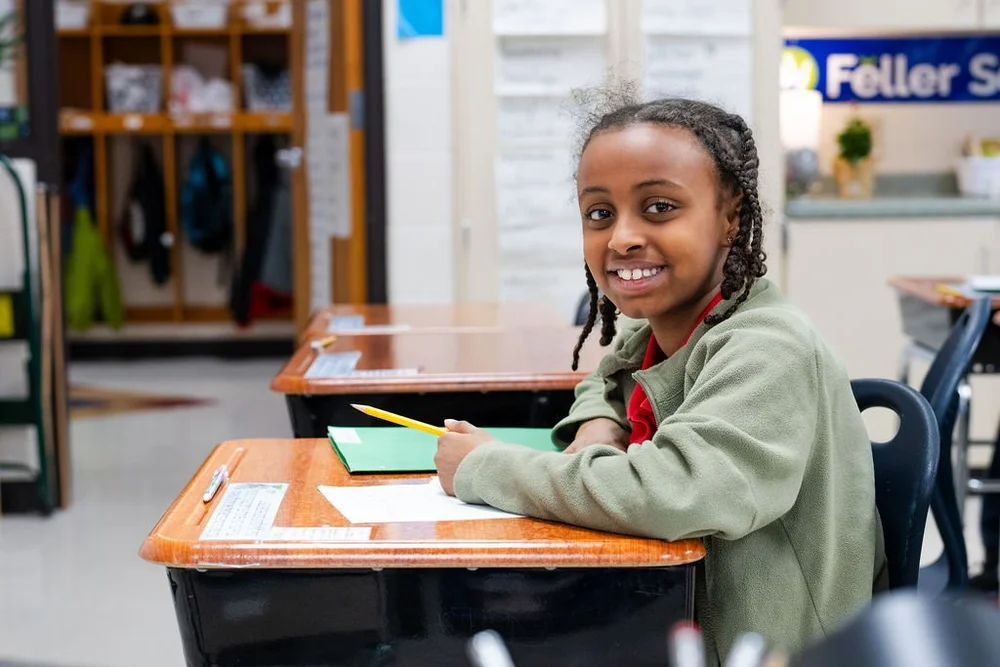
Signs That Show Up Outside the Classroom
Dyslexia and related differences don't stay at school. Here's what parents often notice at home before they have any idea what they're looking at.
Hates Reading Aloud
Refuses to read out loud, even at home with just you — because they've learned it's embarrassing and painful
Homework Takes Hours
What should take 20 minutes takes 2 hours — and ends in tears. The effort is real, even when the output is small.
Tells You They're Stupid
Says they're dumb, not a reader, not good at school — has built an identity around the struggle before anyone identified the cause
School Refusal or Morning Dread
Stomach aches, meltdowns, or crying before school — the body expressing what the mind has been trying to avoid all day
Brilliant Out Loud, Silent on Paper
Can tell you an elaborate story, explain a complex idea, or debate a topic — But when asked to write it down, that same child may struggle to capture any of those thoughts on paper.
Struggles with Money or Board Games
Can't make change, keep score, or follow games involving numbers — dyscalculia showing up in everyday life, not just math class
Painful or Messy Handwriting
Grip is unusual, hand gets tired quickly, or the writing itself is so messy it's hard to read — even after lots of practice
You Struggled in School Too
Dyslexia, dyscalculia, and dysgraphia run in families — if you hated reading or math as a kid, that's important information
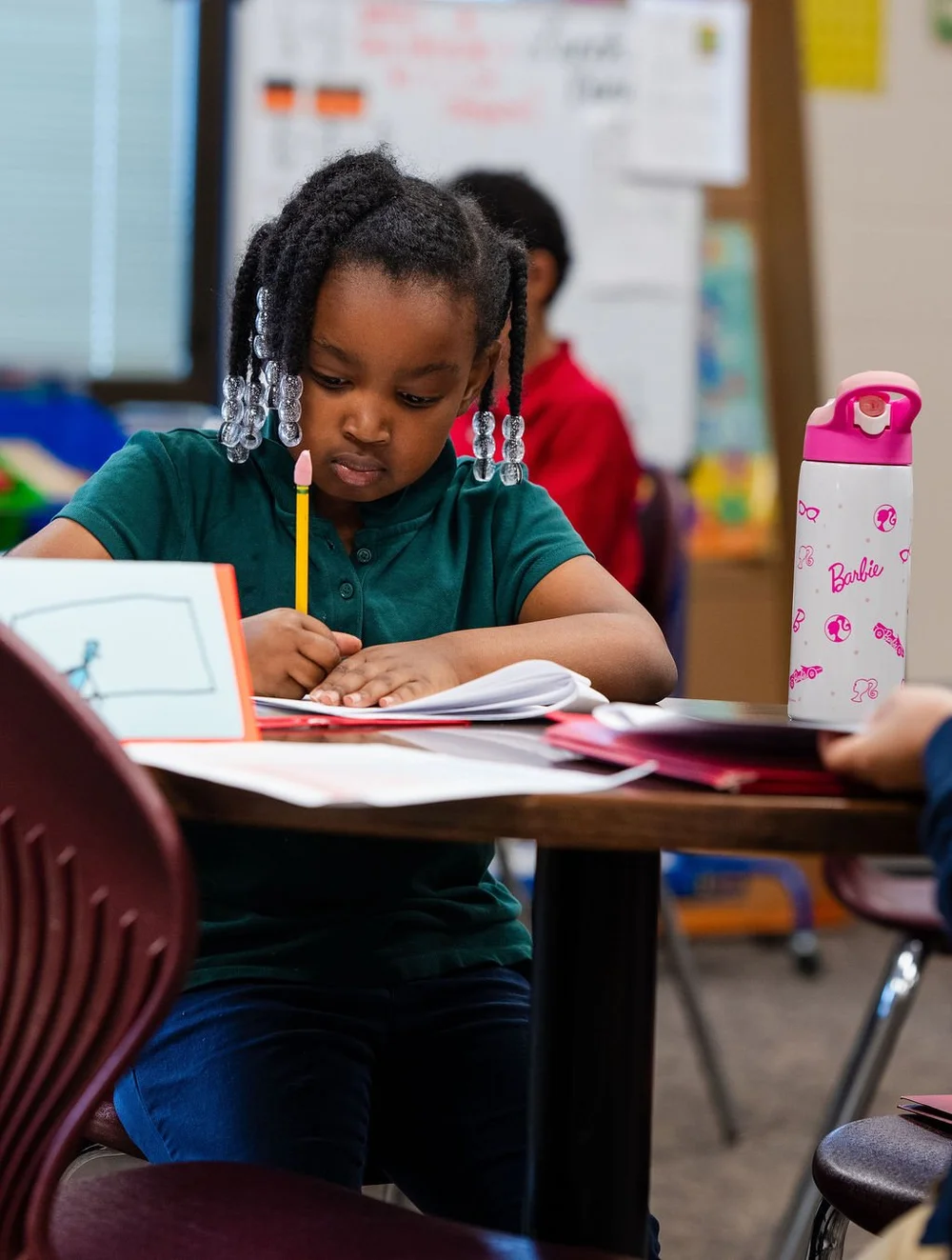
"The hardest part isn't the reading. It's watching your child start to believe they are the problem."
The kids who struggle longest aren't the ones who don't try. They're the ones who tried every day, in a system that wasn't built for their brain — and eventually stopped believing they could succeed.
That's what early identification changes. Not just grades. Identity.
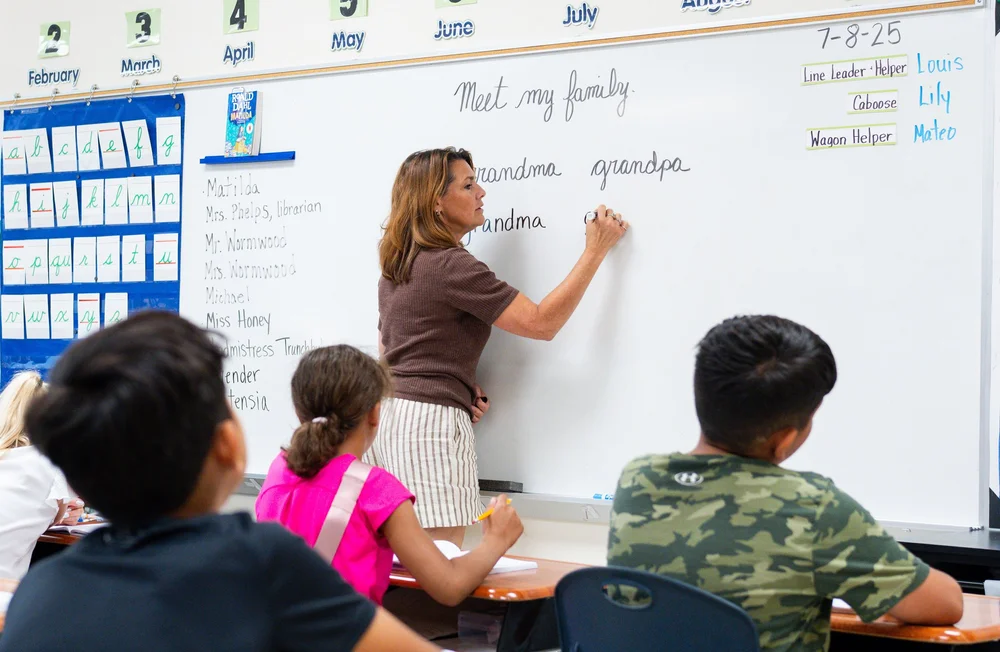
A Real School, in Madison, Built for One Thing.
Feller School for Dyslexia is the only K-6 private school in Wisconsin built specifically for students with dyslexia, dyscalculia, and dysgraphia. Founded by Kim Feller-Janus — a certified Logic of English Master Trainer with 30+ years in education.
We use structured literacy, the science of reading, and hands-on learning to give bright, struggling kids the foundation they need to thrive. Not someday. This year.
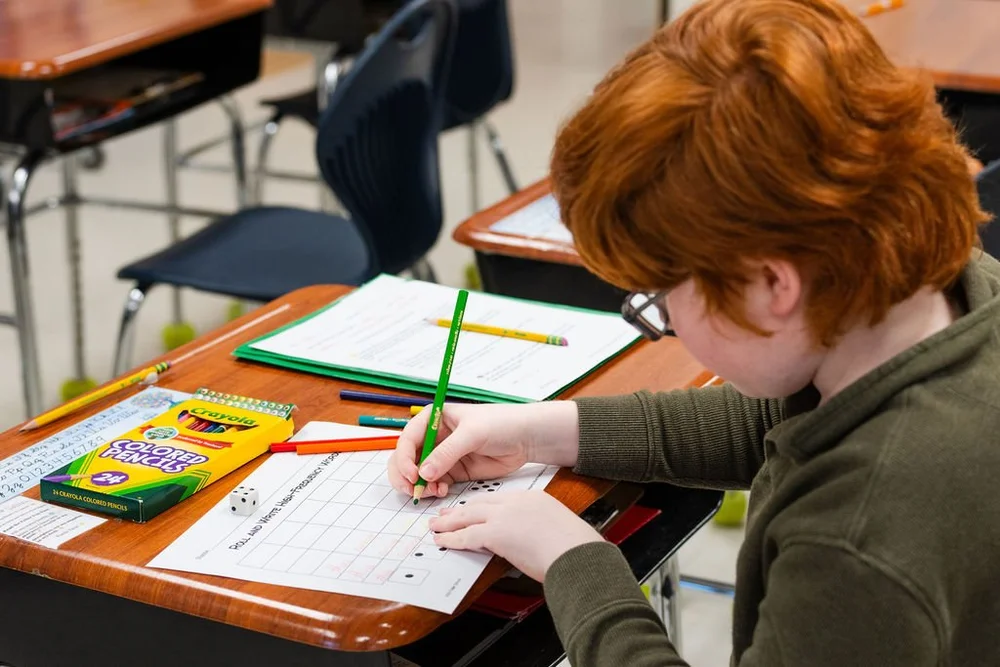
Take the Free 2-Minute Dyslexia Screener
Our free online screener — the CLQDR — is just 6 questions and takes less than 2 minutes. It gives you a clearer picture of whether your child is showing signs of dyslexia. Not a diagnosis, but a powerful first step toward real answers.
Answer 6 Quick Questions
About what you've observed in your child — no special knowledge needed
See If There Are Indicators
The screener instantly tells you if your child is showing indicators of dyslexia — so you can stop guessing and start getting answers.
Free In-Person Screening
If the results suggest your child needs a more in-depth screener, we'll provide one at no cost to you — no pressure, no obligation.
Free. Just 6 questions. Less than 2 minutes.
Quick Answers for Busy Parents
The screener is genuinely free and takes under 2 minutes. We offer it because the earlier a child gets help, the better their outcomes. There's no catch, no payment info required, and you're under zero obligation to enroll at Feller afterward.
Totally fine — most parents who take our screener don't enroll, and that's okay. You'll still get clarity on whether your child is showing dyslexia signs. You can take that information to your current school, pediatrician, or an evaluator to get the support your child needs.
Not at all. Earlier is easier, but the brain stays adaptable. Students who start structured literacy in 3rd, 4th, or 5th grade still make dramatic progress — often catching up to grade level within a year or two with the right instruction.
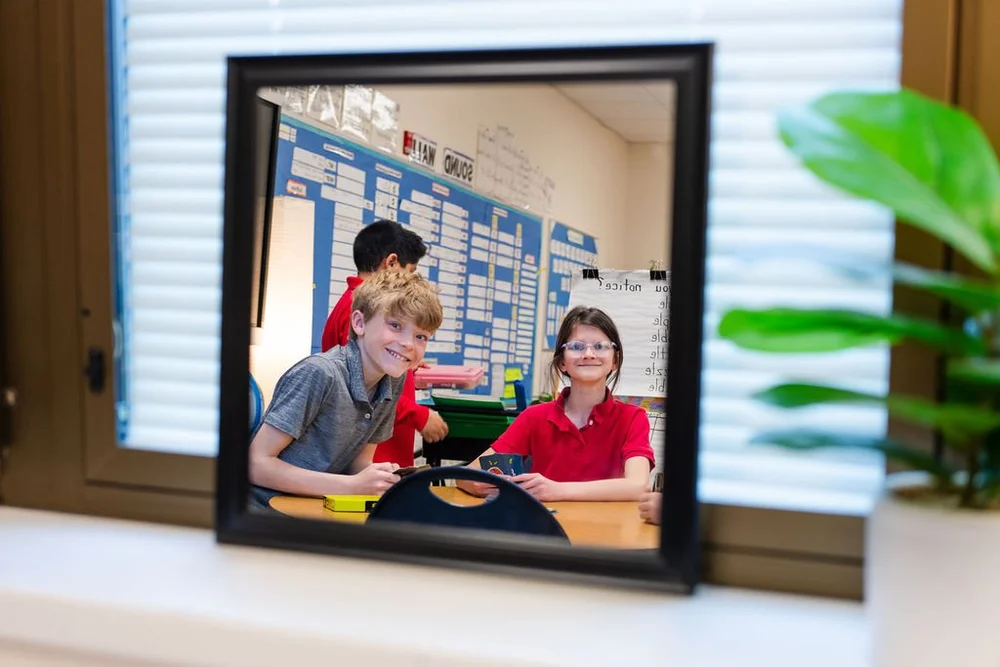
Tutoring is an add-on to a school day that isn't working. Feller is a full-day K-6 school where every subject — reading, math, history, even recess — is built around how dyslexic kids learn. No pull-out sessions, no "special" tables. Everyone in the room is working through the same challenge with teachers who specialize in exactly that challenge.
Yes. We offer financial aid, and Wisconsin's Special Needs Scholarship Program may cover a significant portion of tuition for eligible students. Tuition at Feller is $15,000/year, but the actual cost to many families is far less. We're happy to walk you through the options.
Come See Feller School in Person
Schedule a free 30-minute school tour with our director Kim. Bring your questions — and if you want, bring your child. You'll leave with a much clearer sense of whether Feller is the right fit.
Schedule a Free Tour →